
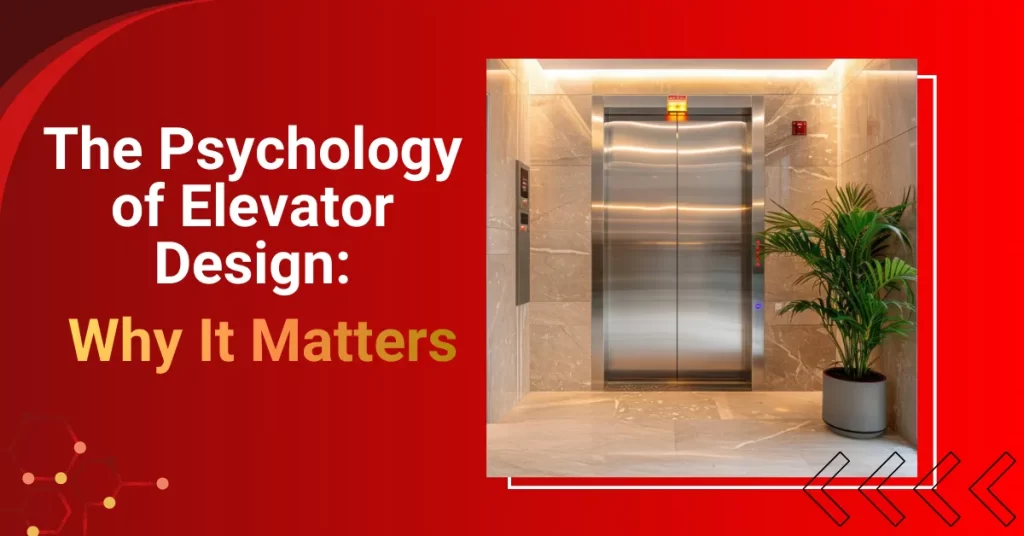
Elevators are a common occurrence in our lives; from malls, offices and apartment buildings, we usually step into them without thought. Nonetheless, elevator design is more than just a door and buttons. It is a spatial scenario where psychology is an integral part of the equation. The psychology of elevator design influences the feelings and behaviours of users. This is especially important in today’s buildings.
The Psychology of Elevator Design
The psychology of elevator design deals with how design and layout communicate emotions and behaviours. Individuals often find themselves in elevators anywhere between 15 – 60 seconds. In the brief period of time while in the elevator, the space and experience can heighten their comfort or discomfort.
Elevator cabins are typically small and enclosed spaces, which can lead users to feeling uneasy. As a result, smart decisions about lighting, mirrors, or control panels can advance the experience of the user. The psychology of elevator design creates spaces that enable users to feel safe and engaged.
The Significance of Elevator Design
Elevator design is significant beyond aesthetics. It has a direct effect on user behaviour. If a user feels anxious, or unsafe, or is unsure about riding in an elevator, a user will choose not to use the elevator. Sound design alleviates stress and encourages user confidence.
A design also supports the flow of the user traffic. This can include smart systems to reduce wait time. For example, IEC LIFTS has completed numerous commercial and residential projects with Destination Control Systems installed. This is where the significance of elevator design comes into play. It saves time. It drives efficiencies. It makes users happy.
How Elevator Design Impacts User Behaviour
How elevator design affects user behaviour relies on various factors, including lighting, control panels, and materials used for the interior.
Lighting that is warm will detract from a user’s perceived anxiety level. A mirror inside the cabin adds space. Control panels at defined heights make the cabin accessible for all users, including those with disabilities.
The IEC LIFTS cabin designs for MRL Elevators, Passenger Elevators, and Home Elevators support this user-friendly design in elevators. This is how IEC LIFTS makes it clear how elevator design can positively affect user behaviour. An element of comfort allows the user to trust the design and the system more.
Psychological Factors in Elevator Design
In the elevator design process, there are a number of psychological factors that impact user comfort:
Proximity: The location of the buttons and handrails is important, locating a user-friendly interface towards the door reduces crowding and increases safety.
Visibility: Having a set of clear instructions allows users to act quickly and confidently. IEC LIFTS makes sure that all of the elevator panels are back lit and are easily readable.
Spatial Layout: The dimensional space of an elevator should feel open. The design of the cabin should include glass or reflective materials to create additional space. IEC LIFTS has patented panoramic elevators that incorporate the concept of spatial layout beautifully.
There has been considerable research into how colour affects mood. In an elevator environment light and calming colours, like silver, beige, and blue have been shown to evoke the highest response. IEC LIFTS has fully grasped the psychological factor of spatial layout and colour and has utilized them in creating innovative product designs.
IEC LIFTS – Designing for Psychology
IEC LIFTS has a well-earned reputation for safe and smart elevator solutions. While we may focus on the important technical specifications, we apply design psychology throughout our products. In fact, we afford elevator products for commercial, residential, and industrial use!
Our line of products includes:
- MRL Elevators (Machine Room Less Elevators)
- Passenger Elevators
- Hydraulic Elevators
- Home Elevators
- Dumbwaiters and Hospital Elevators
Each of these products from IEC have design principles for comfort and styling. Our teams studied how elevator design impacts user behaviour, and we apply that knowledge for layouts that elevate the user experience.
Why Elevator Design Is Important Today
Urban developments are expanding at unprecedented rates. High towers are common, as are the expectations of comfort and safety. As a result, elevator design is now also relevant, as it has never been more relevant.
Design has a psychology. Designing an elevator system that is simple to operate, regardless of functionality or capacity, can alleviate user anxiety and uncertainty. A smoothly functioning elevator is effectively communicating while projecting a positive impression of the building itself.
IEC LIFTS takes this concept seriously, and every product innovation must absorb and implement these attributes regardless of the approach undertaken. Wherever appropriate, an intelligent lift with several features should be placed: for example, voice announcements, touch screen displays, and stylish cabins. Intelligent lifts create pantomimes that support a user’s sense of security and confidence.
Conclusion
Elevators should never, nor partially, be seen as mechanical devices. They have a psychology. Elevator design psychology engages technology and cabins intended for safety, calm, and instinctual use. To the end user of the elevator, the meaning of the elevator, in relation to elevator design, is easily demonstrated in end user reactions.
IEC LIFTS applies this technological knowledge to existing products and modern design installations. As an organization that works based on outcomes, related to the psychological value associated with elevator design and comfort, the experience of installing and preparing a layout and equipment does result in better, safer, and friendlier transportation systems.
The psychological aspects of elevator design produces an experience, for a user, associated trust, engaging, and relieving them to another floor, and it is these reasons why elevator design matters; which all result in benefits to a client of IEC LIFTS, consistent with expected trust, engagement, and relieving an interior space, during elevator travel.

