Elevators as Everyday Trust Machines. Modern Elevator Standards Leave No Room for Error.
In 2026 elevators are more than machines that take you up and down. They are trust machines. Every time you ride one it’s like making an agreement with the technology that it will keep you safe. With cities growing taller and buildings getting smarter the rules for elevators have changed to make sure there’s no room for mistakes.
The Backbone of Safety: Global Standards
International standards like those set by the IEC (International Electrotechnical Commission) now require checks on design, installation and maintenance. These standards cover:
Safety systems: This means having extra braking systems, overspeed governors and buffer systems in place.
Smart monitoring: Sensors that can detect problems in time thanks to the Internet of Things (IoT).
Accessibility compliance: Elevator panels, doors and alarms are designed to be easy to use for everyone.
Fire and seismic resilience: Elevators are built to stay safe during emergencies.
By 2026 following these standards isn’t optional. It’s a must to be taken in the elevator industry. Modern Elevator Standards Leave No Room for Error.
COP/LOP: Your Everyday Handshake with the Building
COP (Inside the car): This is where you trust the system to work instantly and accurately.
LOP (On each floor): This is the gateway that reassures you before you even step inside.
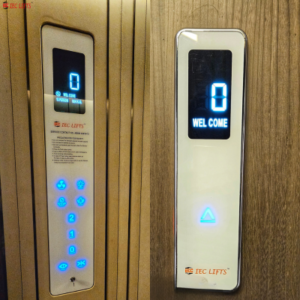
The Car Operating Panel (COP) and Landing Operating Panel (LOP) are more than just buttons. They’re how you interact with the buildings safety features. Think of them as your handshake with the building
Modern COP/LOP designs include features like tactile feedback, voice guidance and touchless technology making every interaction an one.
Why “No Room for Error” Matters
Elevator safety isn’t about precise mechanics. It’s about peoples lives. One malfunction can affect trust, reputation and compliance. IEC standards in 2026 stress:
Zero tolerance for taking shortcuts in installation and maintenance.
Predictive servicing powered by AI to reduce downtime and prevent failures.
User-centric design that makes safety easy to understand, not hidden.
Technology Meets Human Assurance
The combination of AI and IoT has changed elevator safety from reactive to proactive. Predictive analytics allow service teams to anticipate issues before they cause problems. Smart COP/LOP panels can even send information to maintenance teams instantly.
For passengers this means peace of mind. Every time you press a button or select a floor its backed by layers of technology working to guarantee your safety.
IEC LIFTS: Setting the Benchmark
At IEC LIFTS safety is built into every detail and modern elevator standards leave no room for error. From COP/LOP panels to predictive maintenance protocols our systems are based on the idea that every ride must be flawless. We believe that safety isn’t a feature. It’s the foundation of trust between people and buildings.
Our commitment includes:
Designing COP/LOP panels that combine usability with advanced safety features.
Implementing AI-driven monitoring systems that ensure elevators are always operating at their best.
Delivering compliance with the IEC standards ensuring our lifts are ready for the future.
For us the handshake between passenger and building is more, than symbolic. It’s a promise of safety, reliability and excellence.
Conclusion: Elevators as Guardians of Trust
As cities grow and buildings reach new heights, elevators remain the unsung guardians of trust. In 2026, modern standards leave no room for error, ensuring that every ride is safe, seamless, and reassuring. The COP/LOP panels—your everyday handshake with the building—are reminders that safety is not hidden in the machinery; it is present in every interaction.
IEC LIFTS continues to lead this transformation, proving that when it comes to safety, perfection is the only acceptable standard.